
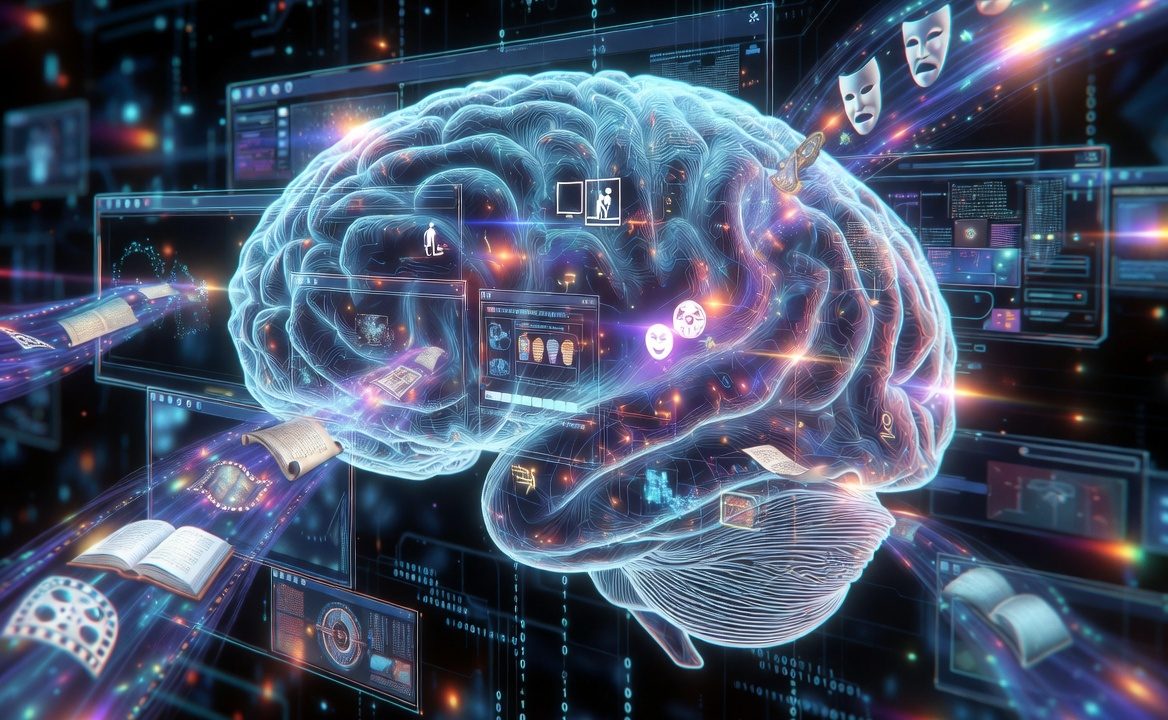
In our complex world, we constantly process information, make decisions, and interpret experiences. This intricate
cognitive process isn’t random; it’s guided by fundamental structures within our minds. Think of these structures
not as rigid rules, but as the underlying software – the operating system – that dictates how we perceive,
process, and interact with reality. Stories, in this view, are not just entertainment; they are the complex
programs that run on this cognitive OS.
At the core of this cognitive OS lie several key components, much like the essential parts of an actual OS:
- Myths: These are the foundational narratives and shared beliefs that shape our worldview. They establish
the fundamental assumptions, values, and principles we operate from. Think of the myths surrounding democracy, or
the concept of individualism. These deep-seated narratives define the baseline understanding of reality, setting
the default settings for our cognitive processing. - Frames: These are the cognitive structures that define the boundaries of a situation and highlight certain
aspects while obscuring others. Frames shape our perception before we even consciously process information. For
instance, the framing of a political debate (“This is a fight for the economy vs. this is a fight for the
environment”) directs attention and interpretation, acting like a filter on incoming data. - Symbolic Scripts: These are the ingrained patterns of thought and behavior associated with specific
situations or roles. They provide scripts for navigating complex social interactions or understanding abstract
concepts. Think of the “Protestant Work Ethic” script or the narrative script for “falling in love.” These scripts
provide cognitive shortcuts and behavioral templates, guiding our responses and interpretations in familiar or
novel situations.
When we engage with a story – whether a fairy tale, a news report, a movie, or a personal anecdote – these
narrative elements interact with our cognitive OS. They can modify our existing myths, challenge or reinforce our
frames, and activate or alter our symbolic scripts. We don’t passively consume narratives; we actively process
them, running complex cognitive programs that reshape our understanding and reshape our world.
Therefore, understanding the mind as a narrative operating system provides profound insight. It explains why
stories have such powerful effects on us. They aren’t just passive entertainment; they are active agents, running
complex programs that define our reality, influence our perceptions, and ultimately, shape our experience of the
world.
Leave a Reply